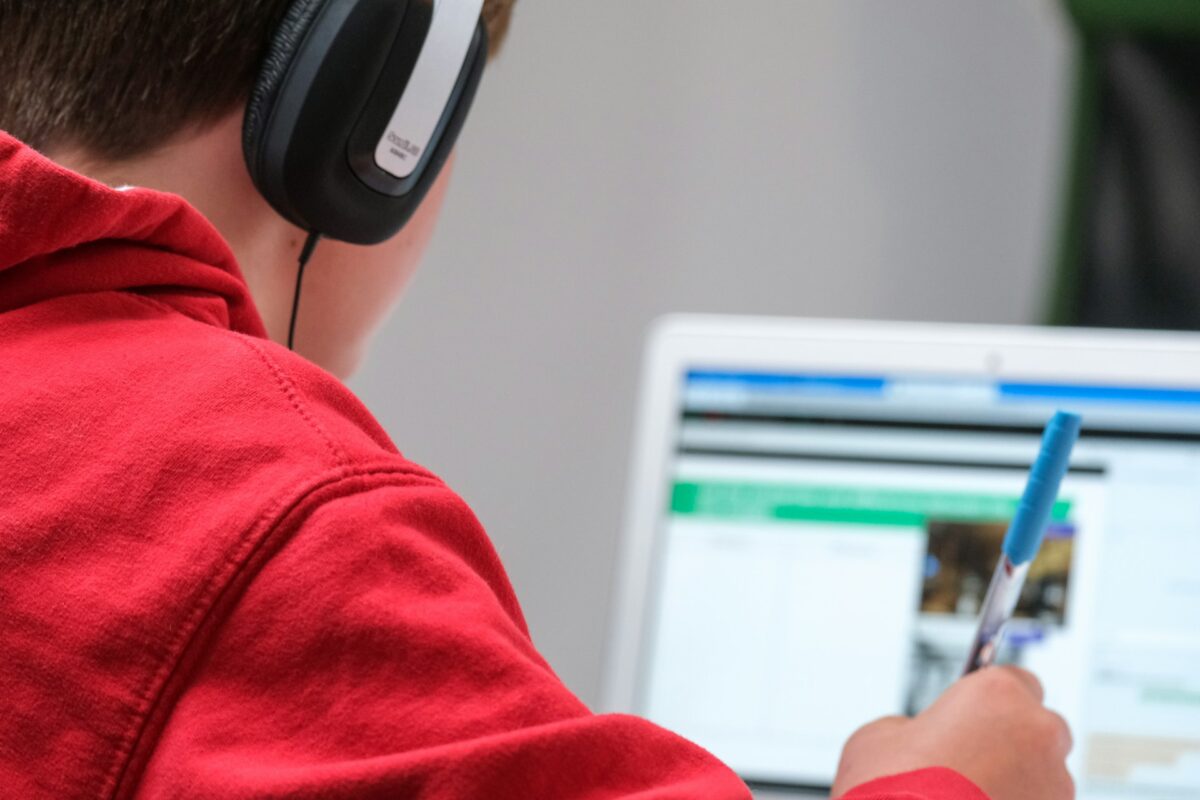
Imagine a world where learning feels like having a friendly conversation. That’s what conversational AI, like ChatGPT, is making things possible. Over the years, AI has grown from simple chatbots that could only respond to a few keywords into tools that can hold real conversations, explain tricky concepts, and even help with creative projects. ChatGPT stands out as a game-changer, bringing this technology to classrooms, homes, and beyond.
In education, every student learns differently—some prefer fast-paced lessons, while others need extra time to grasp the basics. Unfortunately, traditional teaching methods often can’t cater to everyone. This is where ChatGPT shines. Think of it as a virtual tutor that’s available 24/7, ready to explain a tough math problem, help with essay writing, or even brainstorm ideas for a science project. For teachers, it’s like having an assistant to handle time-consuming tasks like grading or creating quizzes, freeing up more time to focus on students.
But ChatGPT isn’t just about solving problems; it’s about breaking barriers. Whether it’s helping a visually impaired student learn through text-to-speech features or giving kids in remote areas access to high-quality education, this tool makes learning more accessible. By blending adaptability with engagement, ChatGPT is transforming education into something more personal, inclusive, and effective for everyone.
The Role of AI in Modern Education
Education has always adapted to the tools of the time, from chalkboards to computers, and now to artificial intelligence (AI). Today, AI is transforming how we teach and learn, making education more personalized, interactive, and accessible than ever before. Unlike traditional methods, which often follow a one-size-fits-all approach, AI-powered tools can adapt to the unique needs of each student, helping them learn at their own pace.
One of the biggest advantages of AI in education is its ability to provide instant feedback. In a traditional classroom, a teacher might need hours or even days to grade assignments and provide input. AI tools like ChatGPT can analyze responses in real time, offering students immediate corrections or suggestions for improvement. For example, a student struggling with grammar in their essay can instantly receive tips to rewrite sentences more effectively, boosting their confidence and learning simultaneously.
Beyond personalized feedback, AI is also making education more accessible. Picture a student in a remote village with no access to skilled teachers. With ChatGPT, all they need is an internet connection to access a world of knowledge—be it learning a new language, understanding complex scientific theories, or solving math problems. For students with disabilities, features like speech-to-text or text-to-speech make learning more inclusive, ensuring no one is left behind.
AI isn’t just supporting students; it’s a powerful ally for teachers too. By automating repetitive tasks like grading or lesson planning, AI tools allow educators to focus on what matters most—mentoring and inspiring their students. Whether it’s simplifying a teacher’s workload or making learning more engaging for students, AI is reshaping education to meet the demands of a rapidly changing world.
ChatGPT as a Virtual Tutor
Imagine having a tutor who never gets tired, is always patient, and can tailor lessons to your unique learning style. That’s the power of ChatGPT as a virtual tutor. Whether a student needs a quick explanation for a complex math equation or help brainstorming ideas for an essay, ChatGPT offers instant, personalized support.
For example, if a student struggles with understanding derivatives in calculus, ChatGPT can break the concept into simple, digestible steps. It can also provide multiple examples to reinforce understanding. Language learners can practice conversations, improve grammar, and even get feedback on pronunciation, making learning more interactive and less intimidating.
This virtual tutor benefits teachers too. By handling repetitive queries or tutoring slower learners, ChatGPT allows educators to dedicate their time to more complex, creative teaching tasks. It’s like having a co-teacher in the classroom—one who’s always ready to help.
Enhancing Classroom Interactions
Classrooms thrive on curiosity, but not every student feels confident asking questions. ChatGPT can bridge this gap by acting as a real-time assistant during lessons, making classroom interactions more engaging and inclusive. Teachers can integrate ChatGPT into their sessions to answer routine queries, explain concepts differently, or provide examples on the spot.
For instance, during a history lesson, if a student asks for details about a specific event, ChatGPT can instantly provide a brief summary, saving time and keeping the class on track. Additionally, shy students can use ChatGPT to privately ask questions they may hesitate to raise in front of peers, fostering a more supportive learning environment.
Beyond answering questions, ChatGPT can support interactive learning activities. Teachers can create quizzes, discussion prompts, or brainstorming sessions with the help of ChatGPT, ensuring all students participate actively and feel heard.
Revolutionizing Assessment and Feedback
Providing timely and constructive feedback is critical for student growth, but it can be a time-consuming task for educators. ChatGPT can revolutionize this process by offering instant assessments and detailed feedback. Whether it’s grading essays, correcting grammar, or analyzing code, ChatGPT can handle it all with speed and precision.
For example, if a student submits a written assignment, ChatGPT can highlight grammatical errors, suggest improvements, and even evaluate the clarity of arguments. Similarly, for programming assignments, it can review code, identify bugs, and provide optimization tips. This not only saves time but also ensures that students receive actionable feedback to improve their work.
However, it’s essential to balance AI-generated feedback with human oversight. While ChatGPT can point out technical issues, it may not fully capture the creativity or nuances of a student’s work. Used wisely, ChatGPT can be a valuable partner in creating a feedback-rich learning environment.
Making Learning Accessible to All
Education should be for everyone, but barriers like disabilities, remote locations, and limited resources often make it inaccessible. ChatGPT is changing that by breaking down these obstacles and creating equal opportunities for all learners.
For students with disabilities, ChatGPT offers tools like text-to-speech and speech-to-text, enabling seamless interaction and understanding. For example, a visually impaired student can use ChatGPT to have textbooks read aloud, while a hearing-impaired student can engage with written explanations in real-time. These features make learning more inclusive and accommodating.
In remote or underserved areas where skilled teachers might not be available, ChatGPT provides access to high-quality education. With just an internet connection, students can learn anything from coding to history, regardless of their location. This technology bridges the gap between urban and rural education systems, leveling the playing field for all.
By offering adaptable and inclusive learning experiences, ChatGPT is helping education reach every corner of the world.
Collaborative Learning and Creativity
Learning is often more effective when done collaboratively, and ChatGPT can act as a catalyst for group discussions and creative projects. By providing instant ideas, insights, and suggestions, it encourages students to work together while sparking innovation.
For instance, during a group project, students can use ChatGPT to brainstorm ideas, create outlines, or solve specific challenges. A group working on a sustainability project might ask ChatGPT for unique eco-friendly solutions or examples of successful initiatives worldwide, helping them think outside the box.
Additionally, ChatGPT can foster creativity in individual pursuits. Whether it’s helping a student draft a short story, compose poetry, or code an app, it acts as a partner that inspires and guides, making the creative process less daunting and more enjoyable.
By encouraging collaboration and creativity, ChatGPT not only enhances learning but also prepares students for teamwork and problem-solving in real-world scenarios.
Addressing Challenges and Ethical Concerns
While ChatGPT offers immense potential, its use in education comes with challenges and ethical considerations that must be addressed to ensure responsible implementation. One key concern is the risk of over-reliance on AI. Students might turn to ChatGPT for answers without making an effort to learn or understand concepts, potentially hindering their critical thinking and problem-solving skills.
Accuracy is another issue. While ChatGPT is highly advanced, it’s not infallible. Mistakes or misleading information can occur, emphasizing the need for human oversight. Teachers and students must verify AI-provided content to avoid spreading misinformation.
Privacy is also a critical concern. With ChatGPT handling student data and interactions, it’s vital to have robust security measures in place to protect sensitive information. Ensuring compliance with data protection laws, like GDPR, should be a priority for educational institutions using AI tools.
Finally, maintaining a balance between AI assistance and human interaction is crucial. ChatGPT should complement, not replace, the guidance and mentorship that only teachers can provide. By addressing these challenges thoughtfully, we can maximize the benefits of ChatGPT while minimizing potential drawbacks.
The Future of AI in Education
The future of education is inseparable from the advancements in artificial intelligence. Tools like ChatGPT are just the beginning of a broader transformation where AI will create smarter, more adaptive learning environments. Imagine classrooms where AI systems track each student’s progress in real-time, tailoring lessons to their strengths and weaknesses, or virtual reality experiences powered by AI that immerse students in historical events or scientific simulations.
Emerging trends like adaptive learning platforms, where AI adjusts the difficulty of lessons based on a student’s performance, are already reshaping how knowledge is delivered. ChatGPT’s ability to provide instant, personalized support could evolve further, integrating seamlessly into digital classrooms and becoming a standard part of every student’s toolkit.
For educators, AI will continue to be a valuable partner. It will help automate routine tasks, provide deeper insights into student performance, and enable more innovative teaching methods. However, the human touch will remain irreplaceable, as the empathy, inspiration, and mentorship provided by teachers cannot be replicated by machines.
As we embrace AI-driven learning, it’s essential to prepare both educators and students to use these tools responsibly. By fostering a culture of innovation and ethical use, AI can truly revolutionize education, making it more inclusive, engaging, and effective for generations to come.